Introduction
The growth of industries such as banking, telecommunications, healthcare, mining, and construction has created a critical need for generators as backup power systems. These units not only guarantee continuity in sensitive operations but can also serve as a primary power source in remote areas without access to the commercial grid, while helping to reduce energy costs.
Objective
This article explains in a simple and conceptual way the basic operation of generators, their components, standards, sizing parameters, and the economic impact of not implementing them—especially in critical sectors.
Operation and Main Components
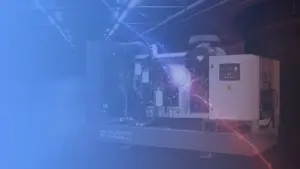
A generator transforms thermal energy (diesel) into mechanical and then electrical energy through an engine and alternator. Its main components include:
-
Engine: gasoline or diesel (diesel is the most common due to efficiency).
-
Regulation system: keeps speed and frequency constant.
-
Engine electrical system: starter motor, batteries, and alarms.
-
Cooling system: by air, water, or oil.
-
Alternator: produces electrical power.
-
Fuel tank and base frame: usually ensures at least 8 hours of autonomy.
-
Soundproof canopy and silencer: to comply with acoustic regulations.
-
Control and protection system: manages and safeguards operation.
-
Additional accessories: fuel transfer pumps, preheaters, or excitation systems (PMG, AREP).
International Standards
Generators must comply with technical standards that guarantee safety, efficiency, and reliability:
-
ISO 8528-1:2018: defines power classifications (STP, LTP, PRP, COP).
-
ISO 3046-1:2002: performance, fuel consumption, and testing of engines.
-
IEC 60034-1 and IEC 60034-5: classification of rotating electrical machines and IP protection ratings.
-
UNE-EN ISO 3744:2011: measurement of noise power levels.
Power Sizing
When selecting a generator, the following must be considered:
-
Load classification: resistive, inductive, capacitive, or mixed.
-
Adjustment by load type: inductive loads often require additional excitation systems; resistive loads require careful sensitivity on engine regulation.
-
Derating: environmental factors (altitude, temperature, and humidity) significantly affect performance and power output.
Example: at 2500 meters above sea level and 30°C, a 185 kVA generator may lose up to 20% of its rated capacity.
Economic Impact of Power Outages
The lack of backup systems can result in million-dollar losses across critical sectors:
-
Hospitals: risk in operating rooms and vital services.
-
Manufacturing industries: machinery damage and production stoppages.
-
Data centers: loss of critical information and service collapse.
-
Telecommunications: outages can cost up to $260,000 per hour.
-
Real-world cases:
-
Delta Airlines (2019): over $150 million in losses.
-
British Airways (2017): a 12-hour blackout caused nearly $200 million in damages.
-
Automatic Transfer Switches
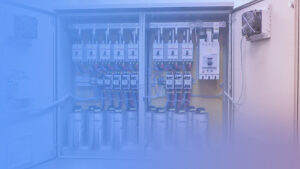
ATS (Automatic Transfer Switches) play a key role in backup applications by transferring the load from the commercial grid to the generator without interruption. The most modern versions use switch-disconnector technology, ensuring continuous power supply and operator safety through three operating modes: automatic, remote, and manual.
Conclusions
-
Generators are essential for guaranteeing continuous power in critical sectors.
-
Proper selection depends on environmental conditions, load type, and compliance with international standards.
-
Economic losses from outages are significant but preventable with adequate implementation.
-
Modern automatic transfer switches enhance reliability and system safety.
👉 In summary: investing in generators not only ensures operational continuity in critical environments but also prevents million-dollar losses and provides energy resilience across multiple industries.